Exploring Big Bend with Kids for the First Time
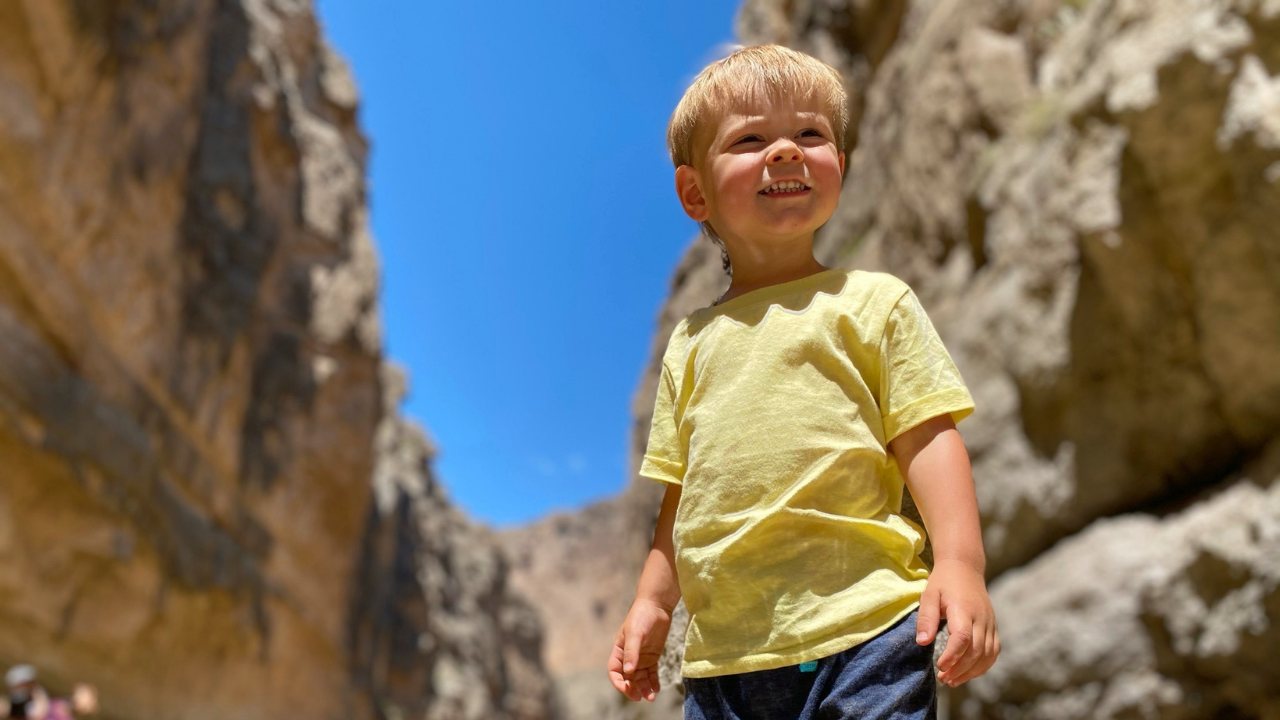
Two-year-olds at national parks are going to be fun. We are headed to our first National Park on this trip. We're going to 16 of them. This is number one, the Big Bend National Park. We have a six-hour drive. Pray for us with these kids. So we stopped in Del Rio, Texas. Kids needed to use the bathroom, and we decided to find a place to play; and we found this park called Moore Park. They've got a whole swimming pool area, a water slide, and a natural spring thing around here you can go swimming in. I don't know if it's open yet. Is the issue? Well, the pool is closed. They're going to have to find a new place to stop. This place is wonderful, though. I want to stay here longer.
We found a way down to the stream. I want to see if it's cold water, so I'll dip my feet. That's cold. Do you want to skip some rocks? I don't know if you'll find an excellent skipping rock here. You want to take your shoe off, Beckett. Now you can throw. Good job. That's cold. But it feels good. The water is so clear too. I would probably need to go back and find mom now.
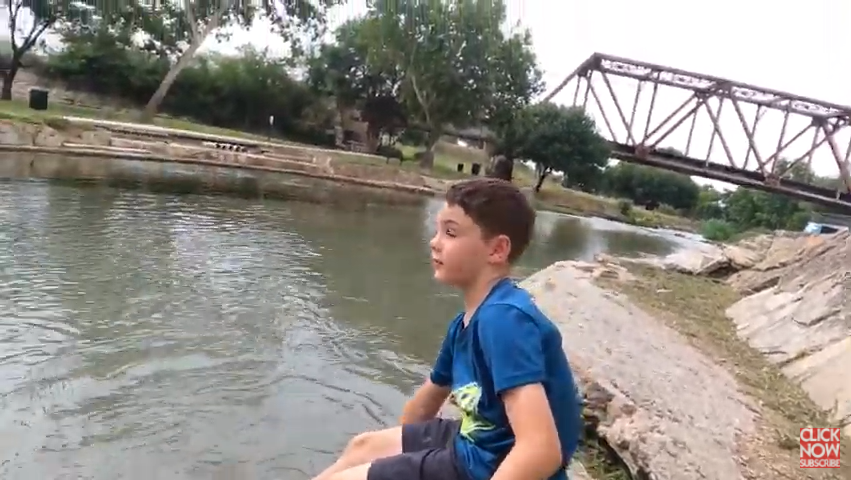
We made it to Marathon, the town just north of Big Bend. We had to make sure we had enough Gas. We don't even need gas, but I don't know how long it will take to get down there to the park. So we want to make sure we have enough. We have made it to the desert. We've never been out in this part of Texas before. This is Marathon, Texas. We're trying to go to Big Bend National Park. So we stopped to get some gas, which was $31.01, and everybody got a snack. What kind of snack did you get? I got a Topo Chico. Mom got a Snickers ice cream bar, and the kids got Cheetos, which all cost $9.12. This is Big Bend.
All right, so we made it to Big Bend, and we're going to go to the dinosaur fossil exhibit because apparently, they found tons of dinosaurs in the area. And we're going to continue going all the way through driving until we get to Terlingua, which is where we're staying tonight. Where is that paper? Getting in for free.
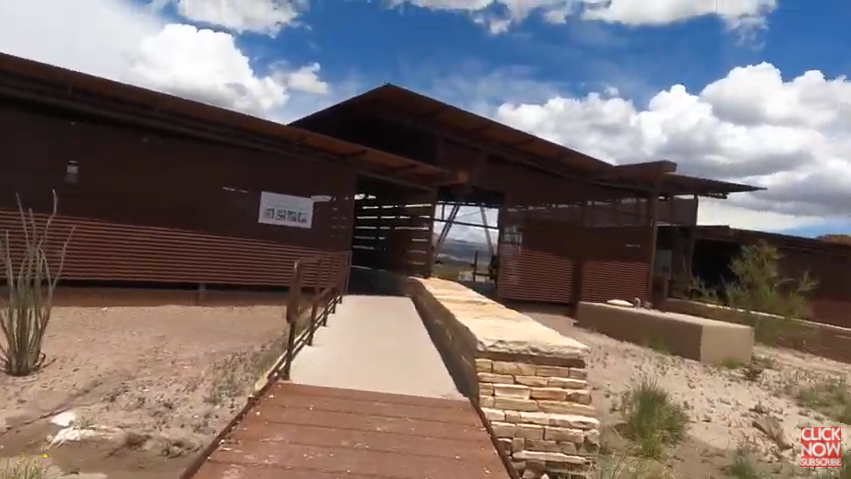
The visitor centers are closed. So I took a picture of a map. Let's explore all that. Is that awesome? Here's the dinosaur exhibit. Cool. Yeah, we're going to go over here and see some fossils. We're at the Fossil Discovery Center. Let's check it out. Wow.
Two-year-old running wild in national parks is going to be fun. So this is the fossil discovery exhibit, and apparently, there were dinosaurs found here. So we're going to see what they found 5 million years ago.
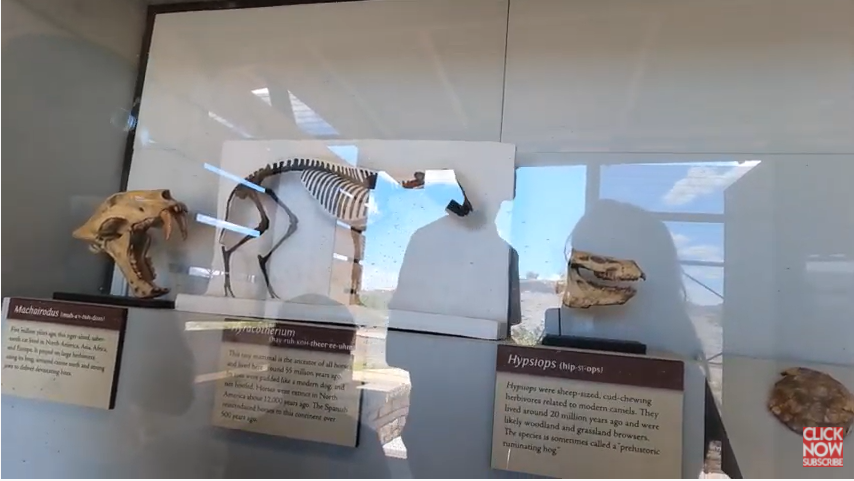
This little mammal. See this? This is what horses looked like 55 million years ago. Horses have gotten bigger over time.
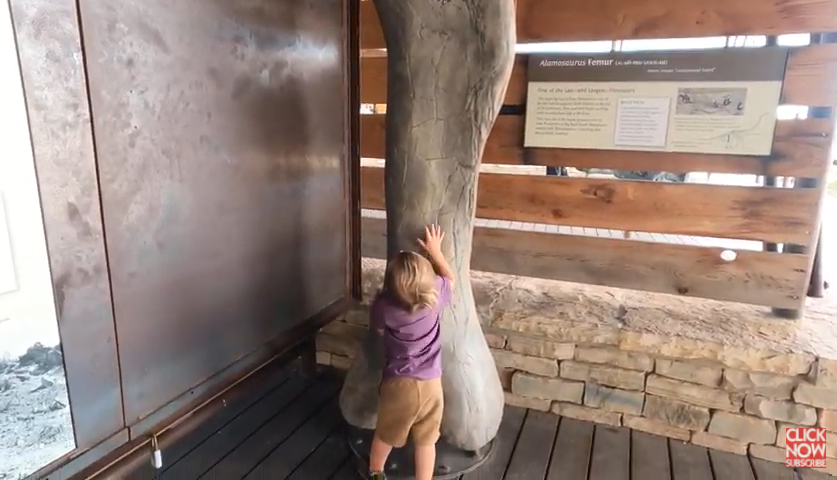
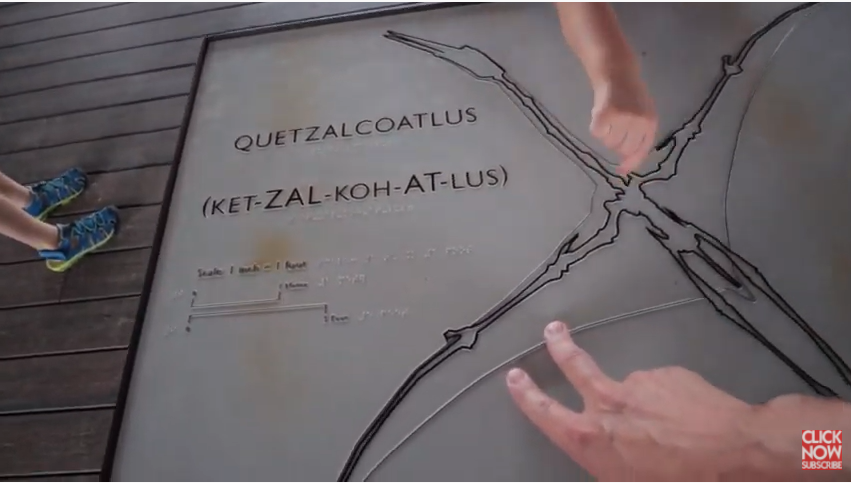
We all need a picture. What do you see, Beckett? Can you say pterodactyl? Yeah, pterodactyl. That's right. It's called Quetzalcoatl. So when they found the dinosaur bones, they were so big that they had to get a helicopter and airlift their bones. That is crazy. These dinosaur names are hard to say. Zyfactinus. That is cool looking.
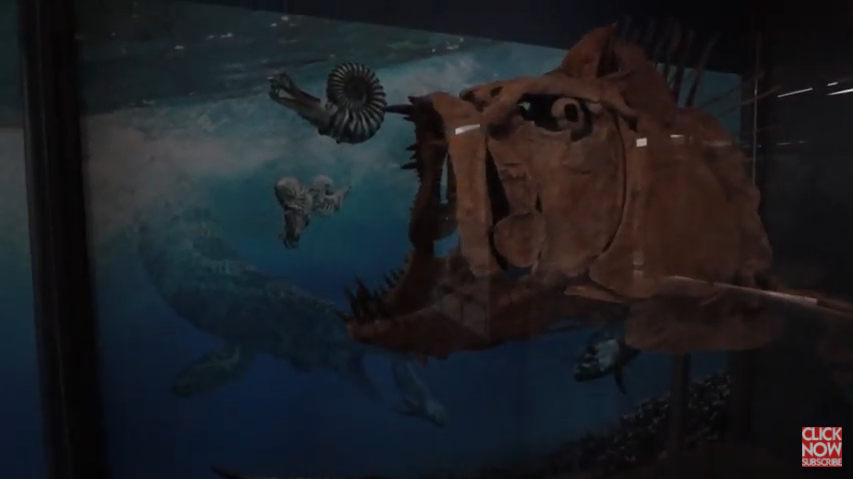
The water recedes, and then more plants grow on land. Why would the water recede? It could have been from plate movement. I don't know what the temperature was. I could have been from an ice age. It doesn't say that this is where the mountains are. That's the center. And they would be shifting together. Are any of you geology experts out there? And you can answer our question about how this worked. Let me know in the comments.
Come here to come to Big Ben National Park. All right, so how cool is this? Awesome. All right, now we're going to go climb up that mountain. I'm assuming there's going to be either a cool view up here or there will be more dinosaur things. Let's go find out because I have no clue. This is a really neat place. It's vast, too. Going up the mountain. You're a good little hiker, Beckett. Wow, is that super cool? We are on the mountain. And it sure is windy. Have fun, little man? We can go to the dinosaur fossil exhibit, and I want to go to the bathroom.
So if you decide to come to the dinosaur fossil exhibit, there is a little bathroom here that you can check out. And it smells pretty decent. Little trough right there. And I believe this is a composting toilet. It's just a big hole hand sanitizer, but it gets the job done. Fossilized poop is called Coprolite. Do you want to tell mom? She's full of Coprolite. Okay, I'm coming—diaper changing time. Becket's got some Coprolite.
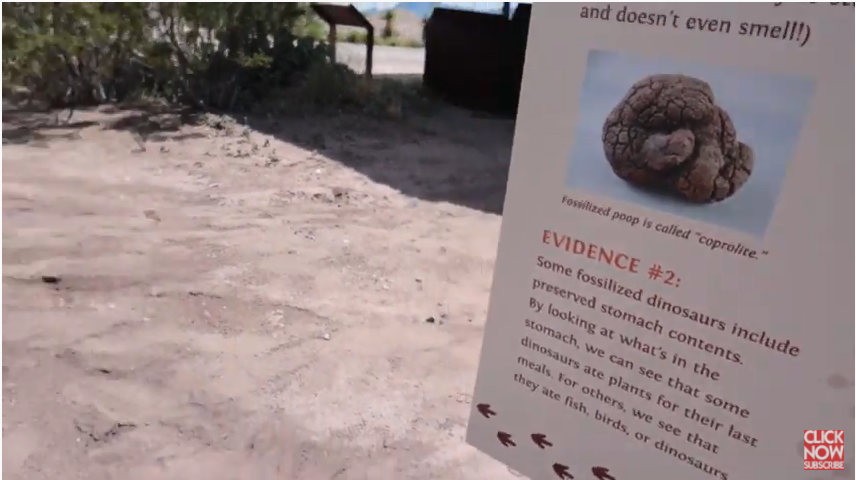
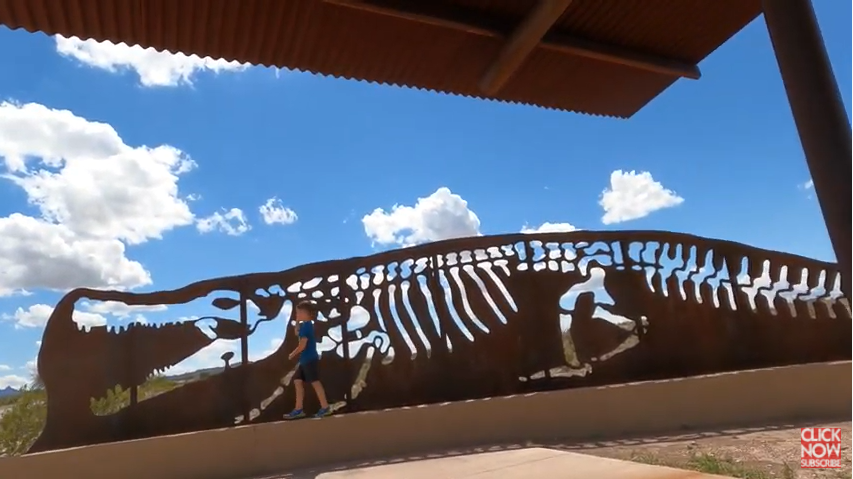
Here we are. It's the second dinosaur place. This is a giant pterodactyl. I may have found our geological answer. Around 100 million years ago, a broad and shallow sea covered Big Bend. Boom. About 76 million years, the Rocky Mountains began to rise, and the sea retreated. Big Bend was on the Coast. The Rocky Mountains coming up. 70 million years ago, the mountains rose higher, and the Seaway began to close. Big Bend was far inland, and dinosaurs flourished. It was closed up. 55 million years ago, the Seaway was gone. Volcanoes dominated a land ruled by mammals. I didn't realize that was volcanoes. So there are volcanoes in there? That's the answer. Yes, we figured it out. It feels like Blues clues where we solved a problem.
All right, now we're going to the visitor center. We're going to get a Junior Ranger program booklet.
We don't know that. That's it. We're going to get some information at the visitor center. It might be the ghost mountain. Let's go check it out. Got my souvenir. That's a postcard.
We may be different, but we're all creatures. All dinosaurs have different features. Come on, buddy, we'll take a vacation. Well, get us a ticket to Big Bend visitor station.
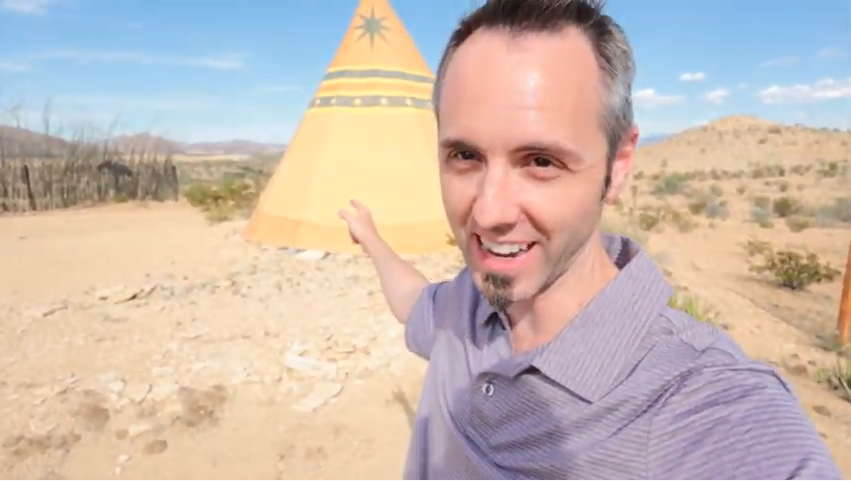
We just exited Big Bend, but we will be coming back here tomorrow. All right, guys, we made it out of Big Bend and to our accommodations tonight, and if you guys want to see what the inside of a teepee looks like, go and click this video link right here, and we'll go and spend the night in this teepee. Thank you for watching.